


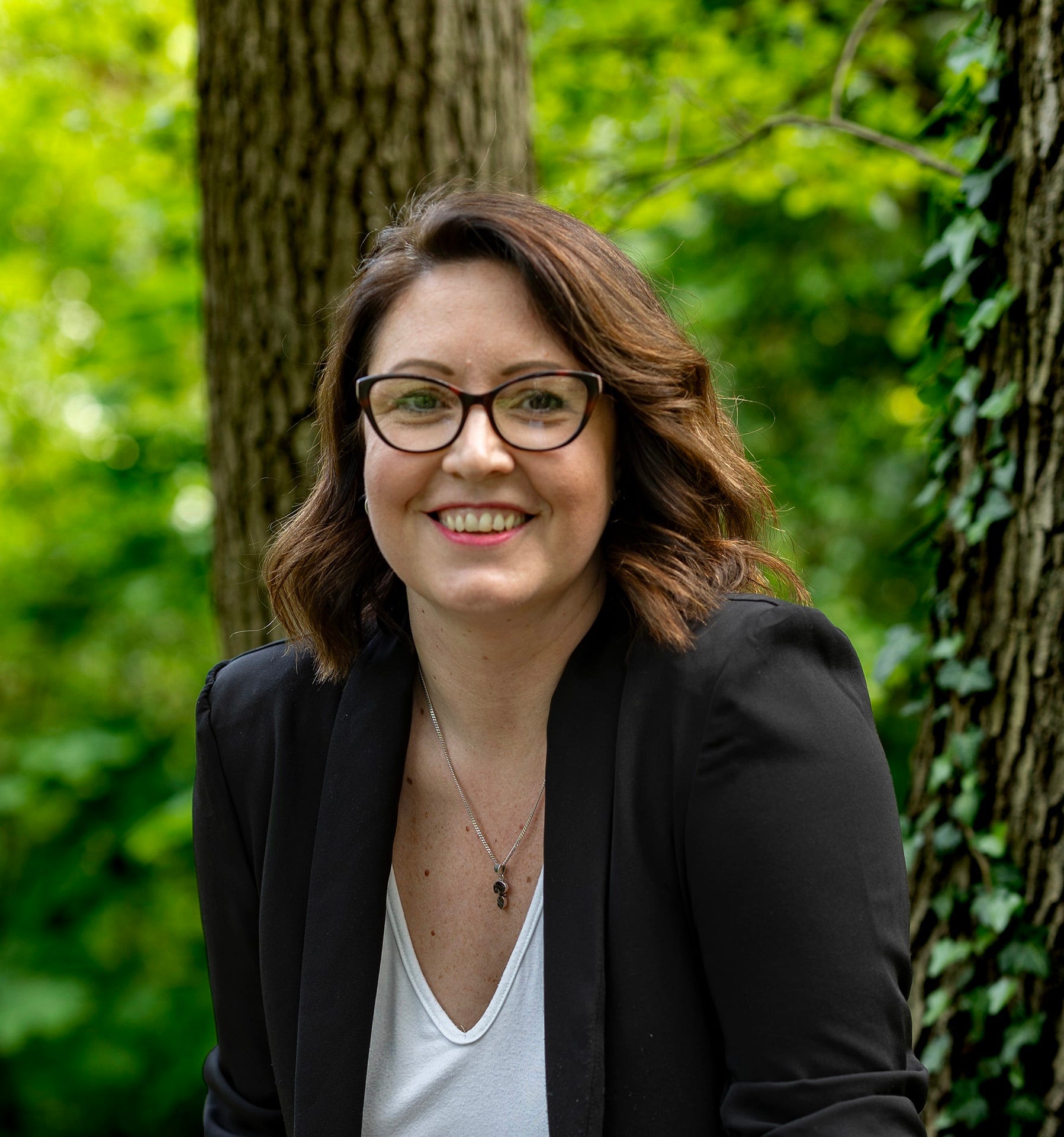
I spend a lot of my life talking about death. Not because I am morbid, far from it. Not because I am obsessed with dying. And certainly not because I think we should spend our lives worrying about when or how they will end.
I talk about death because I think acknowledging it can help us live.
For over 13 years, I have worked alongside people who are dying, people who are grieving and families trying to navigate one of the most significant experiences of their lives. I am a Soul Midwife (end-of-life companion) a funeral celebrant and death educator. I train professionals in end-of-life care, communication, faith and spirituality. I host Dying for a Cuppa® The Podcast. I speak at conferences, work with families and spend a great deal of time trying to make conversations about death feel far less scary and much more human.
But I didn’t begin my working life anywhere near death and dying. For years, I worked in fashion retail. I was surrounded by targets, performance, and sales figures.
Then, in 2016, my personal life changed and I entered the world of end-of-life care, Random plot twist but one meant to be.
I trained as a Soul Midwife and began working for St Catherine’s Hospice, eventually spending eight years within the Hospice at Home team. There is something extraordinary about being invited into someone’s home at the end of their life.
The things we spend so much time worrying about suddenly become less important. What matters is surprisingly simple: comfort, familiarity, safety. Having somebody there, hearing a familiar voice, being able to say what needs to be said or being allowed to say nothing at all.
Sometimes my work has involved conversations, laughter and or tears. Sometimes it involves sitting quietly. One of the things death has taught me is that we don’t always need to fix things.
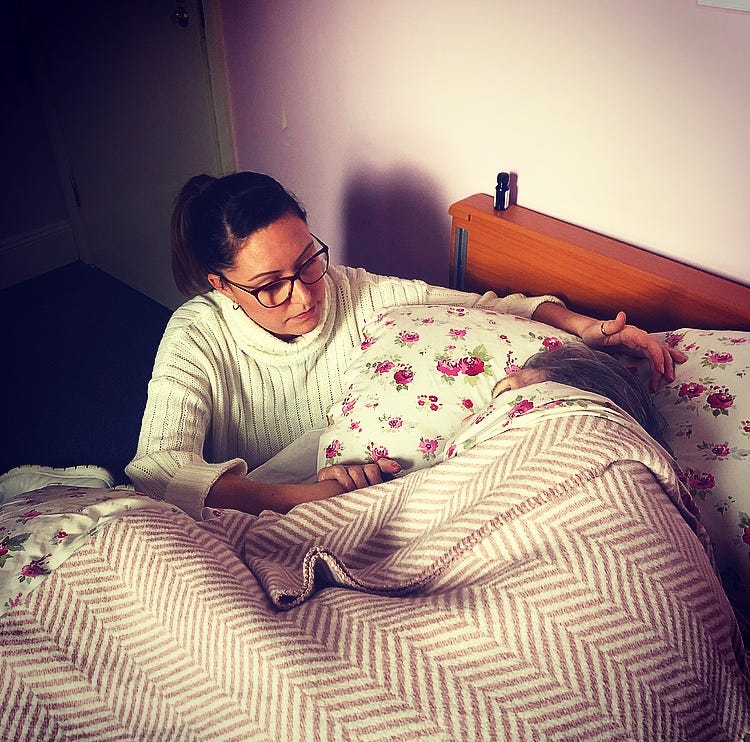
As human beings, we are incredibly uncomfortable with situations we cannot solve. We want to make things better, say the ‘right’ words and we want to take pain away. Death asks something different of us, it asks us simply to be.
That is at the heart of Soul Midwifery for me. It isn’t about imposing beliefs or telling somebody what their death should look like. It is about meeting the person in front of you, exactly where they are. Their beliefs. Their fears. Their hopes. Their family. Their life. Their death.
The strange thing is that death is one of the few experiences that connects every single one of us, and yet many of us reach adulthood knowing remarkably little about it. We understand birth. We prepare for it, attend classes, read books, discuss choices, learn what might happen physically, we talk about pain relief and where somebody wants to give birth.
Yet at the other end of life, there is often enormous silence. Many people don’t know what a naturally dying body can look like. They don’t know that somebody may naturally stop eating or that drinking may reduce. They don’t know why our breathing changes, that consciousness alters and that someone may sleep for increasingly long periods.
And when we don’t understand something, it can become frightening.
A family can be witnessing something completely natural, but because nobody has explained it to them, they can feel like something is going horribly wrong. That is one of the many reasons, education has become such a huge part of what I do.
Knowledge doesn’t remove grief, but it can remove some of the fear. There is an enormous difference between witnessing something frightening and witnessing something you understand.
We have also medicalised death enormously. Of course, medicine has an essential place. Good symptom management, palliative care and clinical expertise matter deeply. But a person who is dying is still a person. They are more than their diagnosis. They may still be a mother, father, partner, grandparent, friend, colleague, atheist, Christian, Muslim, Hindu, Humanist, spiritual seeker, football fan, gardener, dog lover, storyteller or somebody who wants everyone to stop fussing and just put the kettle on.
End-of-life care has to make space for all of that and truly person-centred care means being curious.
What matters to you? What brings you comfort? What are you frightened of? What do you believe happens when we die? Is there anything you need to say or hear? Would you like a cuppa?
It sounds almost ridiculously simple, but these ordinary human interactions matter. Death doesn’t always need whispering voices, solemn faces and euphemisms. There can be laughter, stories, music, swearing, silence. There can be love.
-
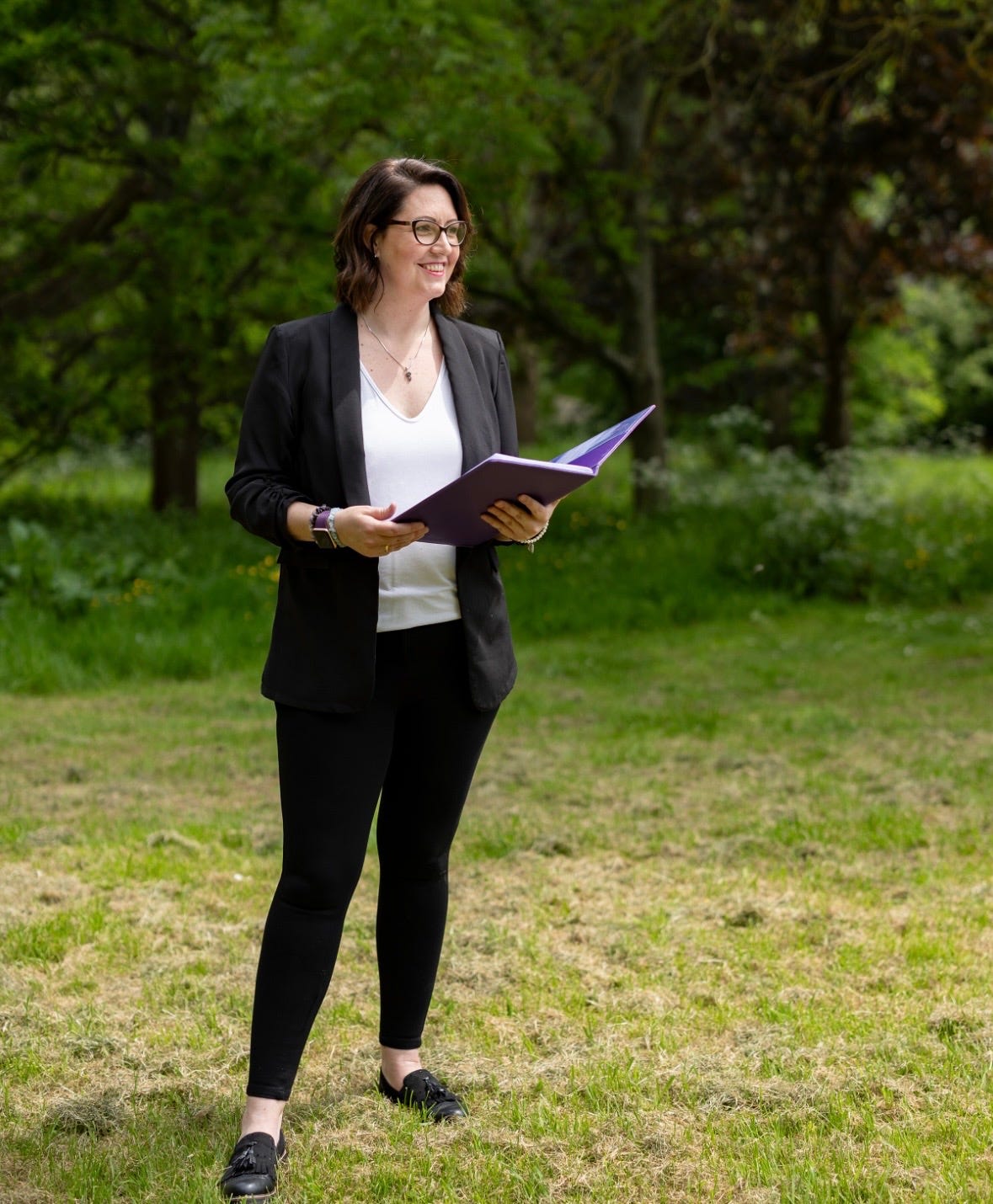
My work eventually led me into funeral celebrancy, which gave me another new perspective on our relationship with death. I had spent years supporting people towards death. Now I was meeting more of the people left behind.
A funeral is an extraordinary moment. You are attempting to take an entire human life, sometimes decades of relationships, mistakes, adventures, habits, jobs, family stories, personality and love, and somehow honour it in less than an hour.
I don’t believe funerals need to follow a particular formula. I do believe they need to feel like the person.
That can mean traditional ritual and prayer. It can mean no religion whatsoever. It can mean humour, unusual music, stories that make people laugh and colourful outfits.
Because grief isn’t one emotion at one time. We can be devastated and grateful. Heartbroken and relieved. We can cry and laugh within seconds of each other. We can deeply care about someone and acknowledge that they could be incredibly difficult. Death does not suddenly make somebody perfect.
One of the greatest privileges of being a celebrant is being trusted with the truth of somebody’s life.
-
Perhaps the biggest thing my work has taught me is that conversations about death are far easier when we have them BEFORE we need them. Many people have never told those closest to them what they would want if they became ill or died.
Would you want to be at home? Who would you trust to speak for you? What matters to you spiritually? Would you want a funeral? Burial or cremation? What music would you absolutely not want anyone to play?
These conversations don’t have to happen formally with everybody terrified. They can happen naturally in the car, walking the dog, over dinner or simply a cuppa.
That idea became the foundation of Dying for a Cuppa®. What started as a way of making death education accessible has grown into training, resources, professional development and a podcast reaching listeners around the world.
The principle underneath it all remains very simple: We need to make death part of ordinary conversation again.
There is also another conversation wrapped around death that I think we desperately need to have, and that is ageing. Our culture so often treats ageing as something to resist. Stay younger. Look younger. Act younger. Hide the evidence that you have lived! Yet the people I have met approaching the end of their lives have taught me something very different.
Age carries stories, bodies carry histories. The lines, scars and changes are evidence of having been here, of having lived, loved, lost, survived and grown.
Perhaps ageing also gives us permission to start asking different questions. Not simply what can I achieve but what actually matters to me? Who matters? What do I want the rest of my life to feel like? What do I want to leave behind?
Because legacy isn’t necessarily money, property or something with your name engraved on it. It can be a recipe, a family joke, a handwritten letter, the story everyone has heard a hundred times, or simply the way somebody felt when they were with you.
People often assume that working so closely with death must be depressing. It isn’t. It can be sad and emotionally demanding, of course, but death has actually made me far more conscious of life.
It reminds me that time isn’t guaranteed, not in a doom-laden live every day as if it’s your last kind of way. Sometimes living means sitting in your pyjamas, watching rubbish television and eating toast. I mean something quieter.
Notice your life. Say the thing. Make the phone call. Tell your people you love them. Stop saving everything for best. Have the conversation, no matter how difficult.
And perhaps become a little less frightened of saying the word death.
Katie Costello runs End of Life Support Services and is a multi award winning Soul Midwife, funeral celebrant and CPD accredited death educator. She is also the author of A Gift – Part Funeral Plan, Part Life Story, Part Love Letter.
🎧 Dying for a Cuppa® The Podcast on Spotify | Apple | Amazon

This is one of the best pieces of writing about death and dying that I have read. It is genuinely centred upon the person who is dying and how they wish to be with death. It is gentle and powerful all at once. Thank you 🙏
beautiful read - timely given I'm stumnbling towards my own VSED.
I've talked about death a lot in my life because it is split-off and has become an enemy. I know from the frontline that birth and death happen across the same border, only directionally different - thank- you for doing the work you do. It really matters 🙏