


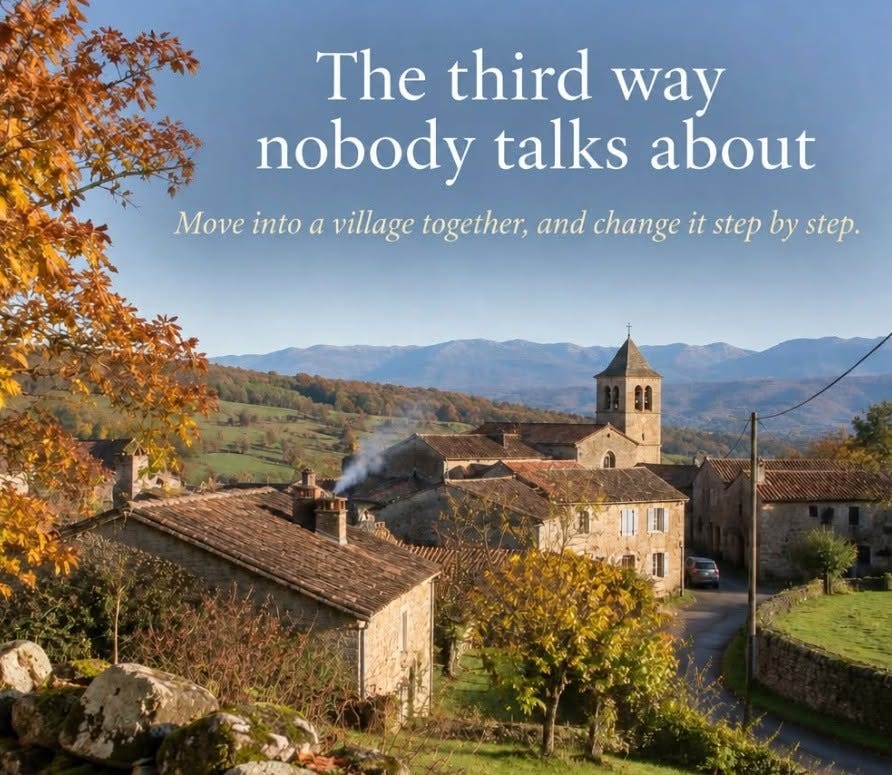
We’re all interested in different ways of living together. And yes, there are ecovillages, co-housing and then this third way. Moving into a village together house by house. The example talked about - is in rural France. From Yohan Sancerni.
‘𝗕𝗲𝘁𝘄𝗲𝗲𝗻 𝘀𝘁𝗮𝗿𝘁𝗶𝗻𝗴 𝗮𝗻 𝗲𝗰𝗼𝘃𝗶𝗹𝗹𝗮𝗴𝗲 𝗮𝗻𝗱 𝗺𝗼𝘃𝗶𝗻𝗴 𝗮𝗹𝗼𝗻𝗲 𝘁𝗼 𝗮 𝘃𝗶𝗹𝗹𝗮𝗴𝗲, 𝘁𝗵𝗲𝗿𝗲 𝗶𝘀 𝗮 𝘁𝗵𝗶𝗿𝗱 𝘄𝗮𝘆 𝗻𝗼𝗯𝗼𝗱𝘆 𝘁𝗮𝗹𝗸𝘀 𝗮𝗯𝗼𝘂𝘁 :
When I talk with people who want to change their life, the discussion goes almost always to the same two options. You start an ecovillage, with land bought together, shared spaces and all the meetings that come with it. Or you give up this idea and you move to a village, everybody in his own house, and you hope good relations with the neighbors will come.
I lived nine years in the Pourgues ecovillage in France, and when I look back I think we built a bubble. We lived between us, and our world of adults was not really adapted to the society around. But we are part of this society like the cells of a living body, and I don’t believe we can stay outside for long and hope it will leave us in peace.
So there is a third way that stays in my head since a while. Arrive as a small group in a village that already exists, a few families who know each other, and each one buys or rents his own house, with no common land to manage. You integrate slowly, you join what exists, and step by step you get involved in the life of the place.
I started to look if somebody already did it, and I found more than I expected.
In Davis, California, two neighbors took down the fence between their houses in 1986. At the beginning it was only that. Then another house joined, and another. Today it’s around twenty houses with a common house and no fences, in the middle of a normal suburb. They call it N Street Cohousing. Nobody bought land together and nobody left the city.
In Brittany, France, there is a village of less than 200 people called Trémargat. In the seventies the land was poor and cheap, so newcomers arrived to farm there. Today the town owns the walls of the café and of the grocery store, and associations of inhabitants run them. And the mayor does only one term, then somebody else takes the job.
It can also turn bad. In Saillans, another French village, the inhabitants made a citizen list in 2014 and won the town hall with a big majority. Six years later they lost it by 18 votes. And you maybe know the story of Grafton, New Hampshire, where a group arrived in 2004 with the announced plan to take over the town. The locals resisted and the project fell apart. For me the difference is there. In Davis and in Trémargat people came to live, and the change came after. In Grafton they came with a plan for the others.
This question came to me while writing my book, The Ecovillage Trap, where I tell these nine years and what I understood about why groups break. The book stops where this question starts. I put the link in the comments for those who are curious.
𝗪𝗵𝗮𝘁 𝗱𝗼 𝘆𝗼𝘂 𝘁𝗵𝗶𝗻𝗸? 𝗛𝗮𝘃𝗲 𝘆𝗼𝘂 𝘀𝗲𝗲𝗻 𝗮 𝗴𝗿𝗼𝘂𝗽 𝗺𝗼𝘃𝗲 𝘁𝗼𝗴𝗲𝘁𝗵𝗲𝗿 𝗶𝗻𝘁𝗼 𝗮𝗻 𝗲𝘅𝗶𝘀𝘁𝗶𝗻𝗴 𝘃𝗶𝗹𝗹𝗮𝗴𝗲, 𝗼𝗿 𝗱𝗶𝗱 𝘆𝗼𝘂 𝘁𝗿𝘆 𝗶𝘁 𝘆𝗼𝘂𝗿𝘀𝗲𝗹𝗳?’
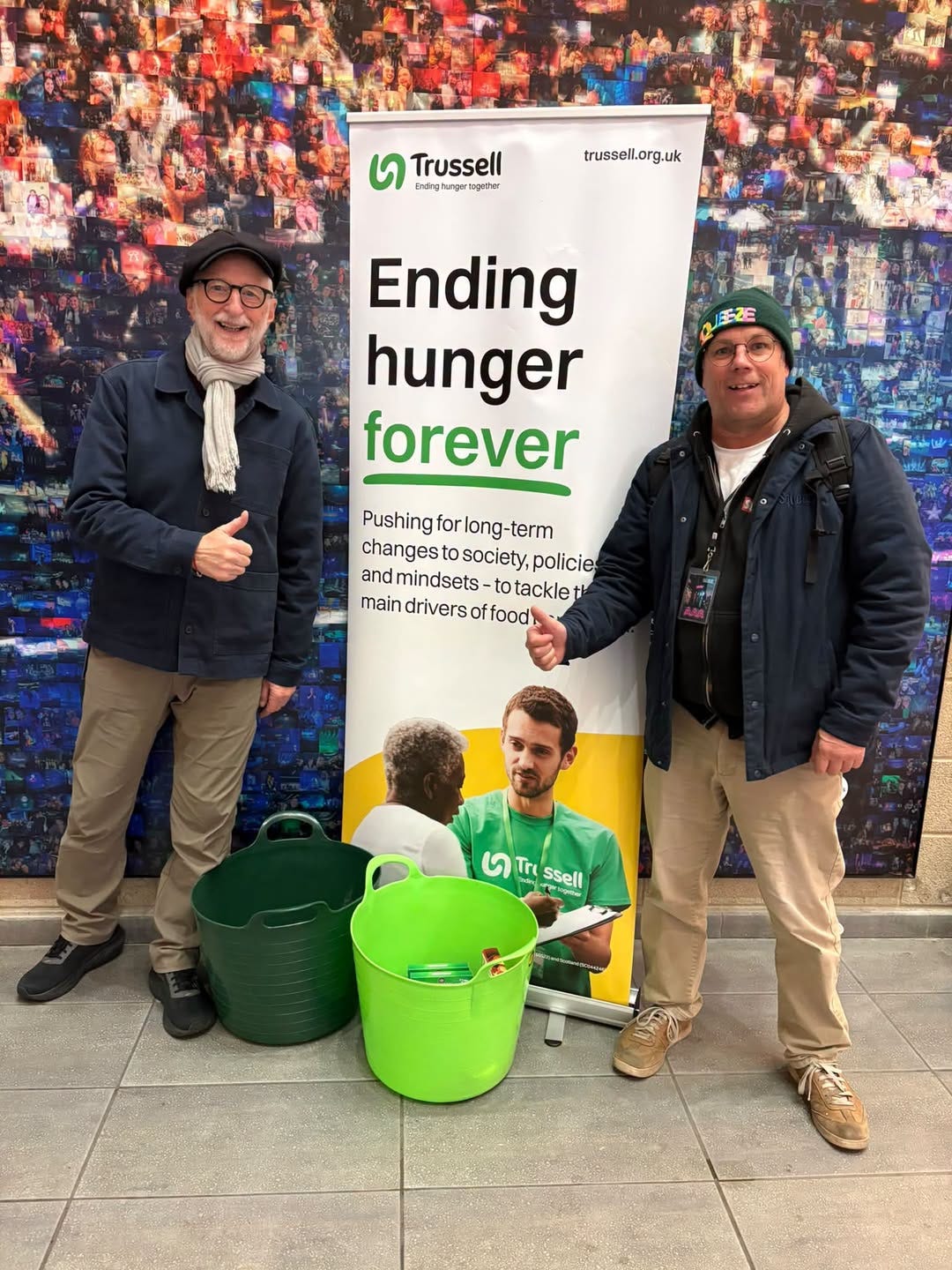
2. This is such a great initiative. From Billy Bragg. ‘Our comrades in Squeeze are running a marvellous campaign in support of Trussell, the anti-poverty charity who co-ordinate a community of food banks across the UK,
At each show on the tour, audience members are encouraged to bring non-perishable foodstuffs – including tinned meats, vegetables, fruit, pasta, rice, and also toiletries – or donate financially at the official collection points inside each arena. Squeeze have also pledged £1 from every ticket sold towards independent venues and grassroots Musicians
The initiative originally began in 2018 during Glenn Tilbrook’s solo tours and has since grown into a massive audience-driven campaign, with fans raising over £72,500 and contributing 5.15 tonnes of essential provisions to date.
With the cold weather coming on, the need to offer practical support to people left without enough money to live on is crucial. I feel the initiative is something in which my audience would wish to participate, so I’m putting the word out here along with a tip of the hat to our pals in Squeeze for taking a stand on the issue of poverty in the towns and cities where we are performing.’

Louise Bernadette Butcher on a billboard in NYC, Times Square this week. Louise won our Inspirational Personal Story Award in 2023 because she raises awareness about the possibilities of surviving breast cancer and runs topless to show that reconstructive surgery is not necessarily the answer. Well done Louise.
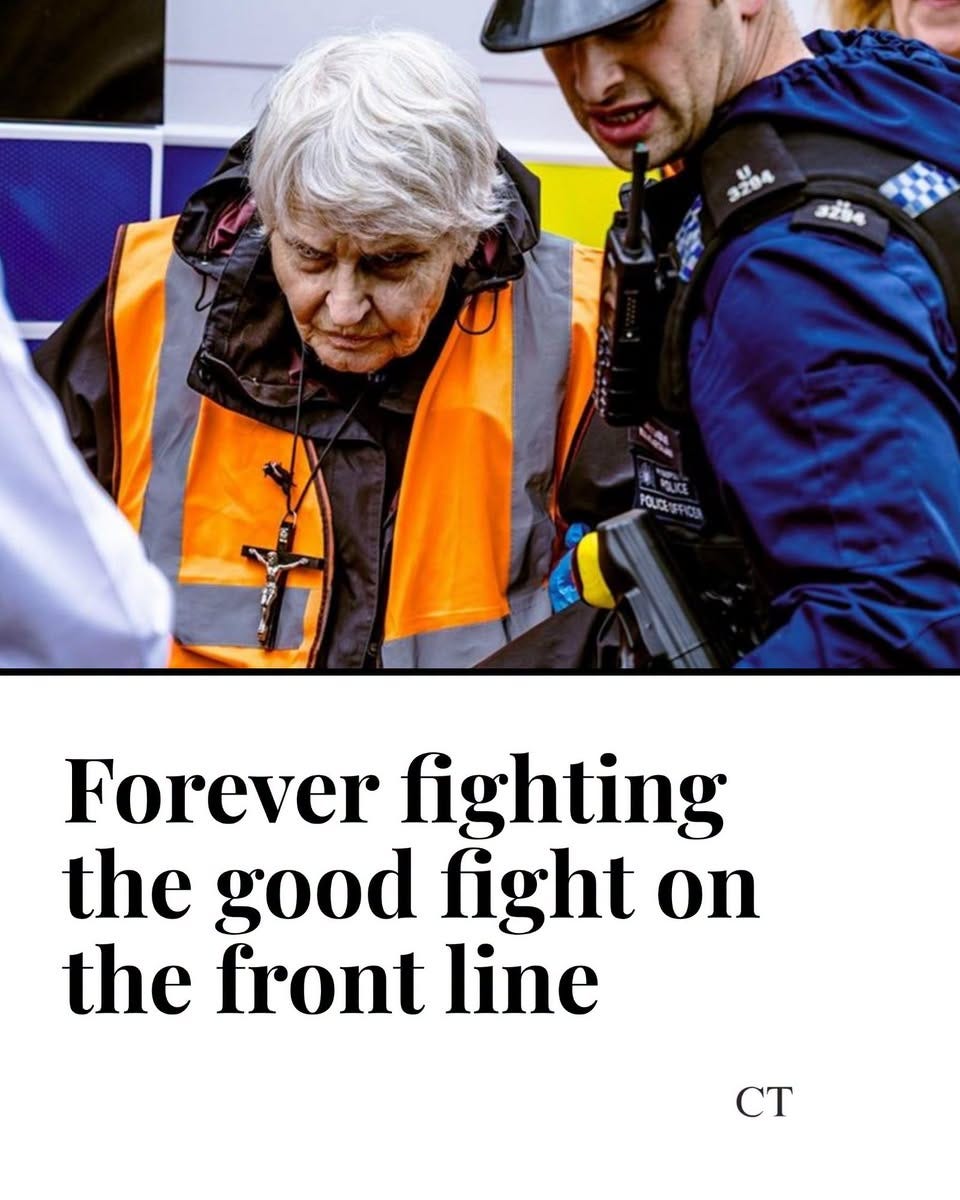
The incredible Rev Sue Parfitt at 84 and the most-arrested priest in Britain. ‘“Professional convicted criminal” was the prosecutorial epithet used to describe the Revd Sue Parfitt, at her latest trial for climate activism; this time, for the group Insulate Britain, which campaigns for urgent government action on cold homes. The Revd Sue Parfitt will go on protesting, despite her many arrests, she tells Rebecca Paveley in the Church Times.

Are any of you in Totnes? Do come down and join myself and Caroline Cadenza - we will be both doing poetry sets and then the floor - in two halves - will open up to open mic sessions from whoever turns up and those who have applied. It’s going to be fun. Come and tell us what is truly unsayable to you. This is a new arts cafe and performance place in Totnes.
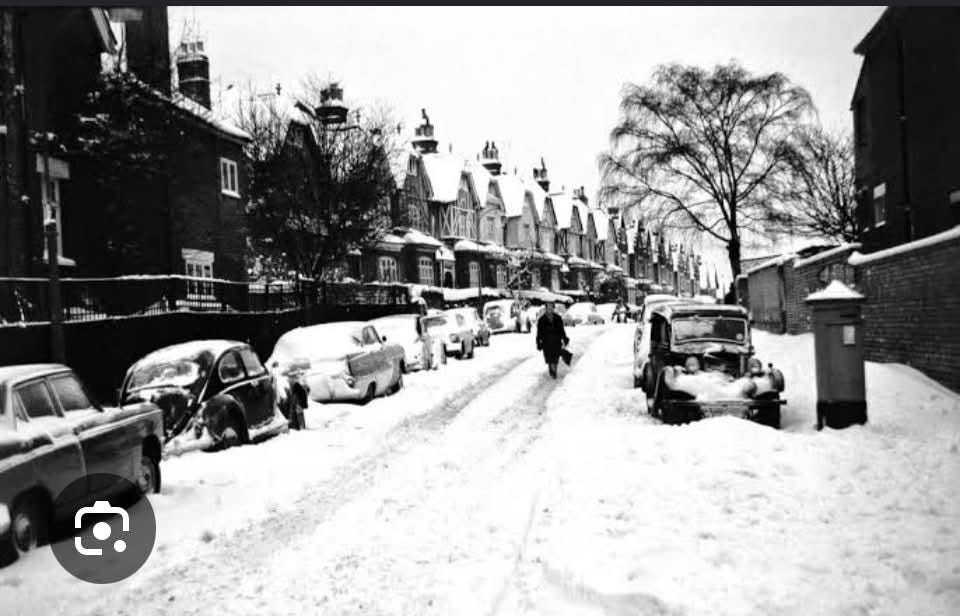
That winter from 62/63 - do you remember it? I do. I was 9 and living in a Yorkshire village. The snow was thick and lasted a long time. I remember a photo of myself in a Wee Willy Winky outfit with a candle. From Down Memory Lane - ‘Who remember Christmas 62 the snow that stayed till March of 63 A long cold winter.
Who remembers the winter of 1962–1963 ? Started snowing across the UK on December 22, 1962 the persistent snow cover finally melted away around March 4 1963. I got a bike that year for Christmas but couldn’t ride it till the snow went. No snow days for us, schools stayed open and we still walked to school.’